
Understanding the psychology of gambling What drives risk-taking behavior
The Nature of Risk-Taking in Gambling
Risk-taking behavior in gambling is a complex interplay of psychological, emotional, and social factors. At its core, the thrill of the gamble often stems from an innate desire for excitement and uncertainty. This behavior can be traced back to human evolution, where taking risks could lead to significant rewards, whether in hunting or social standing. Many players seek out the best gambling websites to enhance their experiences, fueled by the possibilities associated with their risk-taking choices.

Moreover, gamblers frequently experience a rush of adrenaline when they place their bets or play their hands. This physiological response can create a feedback loop, reinforcing the behavior. The brain releases dopamine during these high-stakes moments, which can lead to addiction as individuals seek repeated experiences of this euphoric state.
The Role of Cognitive Biases
Cognitive biases play a significant role in how gamblers perceive risk and reward. One common bias is the illusion of control, where individuals believe they can influence outcomes that are inherently random. This belief can lead players to take greater risks, as they feel empowered by their perceived ability to sway the odds in their favor.
Another prevalent bias is the availability heuristic, where gamblers focus on recent wins or memorable wins rather than considering the overall odds. This skewed perception can lead to overconfidence, prompting players to take risks that they might otherwise avoid if they had a clearer understanding of the long-term probabilities.
The Impact of Technology on Gambling Behavior
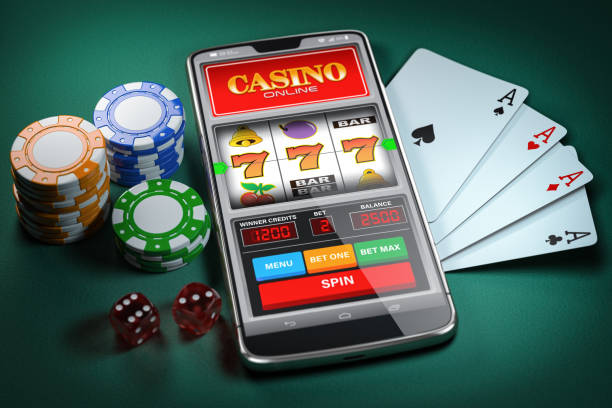
Technology has significantly transformed the gambling landscape, making it more accessible and engaging. Online casinos and mobile apps allow players to gamble from anywhere, removing geographical and social barriers. This increased access can exacerbate risk-taking behavior, as individuals may not feel the same sense of accountability when gambling online compared to traditional settings.
Additionally, technological advancements have led to the development of sophisticated algorithms and personalized marketing tactics that target potential gamblers. These strategies can create a tailored experience, further encouraging risk-taking behavior by appealing to individual preferences and playing habits. As technology continues to evolve, so too will its influence on gambling psychology.
Social Influences and Group Dynamics
The social context of gambling can greatly influence individual behavior. Group dynamics can enhance the thrill of gambling, as people often take greater risks when in the company of others. This phenomenon can be attributed to social reinforcement, where the approval and excitement of peers encourage bolder decisions.
Furthermore, cultural attitudes towards gambling can shape how individuals perceive risk. In some cultures, gambling is viewed as a form of entertainment, while in others, it may be seen as a taboo. These societal factors contribute to how risk-taking is normalized or discouraged, affecting individual choices in gambling scenarios.
Insights from the Gambling Industry
Understanding the psychology behind gambling is essential for both players and industry professionals. The gambling industry continuously analyzes trends and behavior to develop strategies that not only enhance user experience but also promote responsible gambling practices. As awareness of gambling addiction grows, the industry is increasingly focused on implementing measures that safeguard players.
Staying informed about these trends can empower individuals to make informed decisions while engaging with gambling activities. The balance between enjoying the thrill of gambling and recognizing the potential risks is crucial in fostering a healthier relationship with this form of entertainment.